
News
Global Reach, Local Insight
On November 7, 2025, as part of the 2025 CIIE Shanghai Events and Conferences, two forums—"Chinese Enterprises Going Global - Criminal Compliance and Risk Control" and "Chinese Enterprises Investing in the EU - Legal & Regulatory Compliance and Risk Control"—were successfully held in succession. The "Chinese Enterprises Going Global - Criminal Compliance and Risk Control" forum was hosted by Dacheng Law Offices (Shanghai), with support from the Pudong New Area Federation of Returned Overseas Chinese and the Criminal Justice College of East China University of Political Science and Law. The "Chinese Enterprises Investing in the EU - Legal & Regulatory Compliance and Risk Control" forum was jointly hosted by the Shanghai Pudong Enterprise Going Global Comprehensive Service Center and Dacheng Law Offices (Shanghai), with support from the Pudong New Area Federation of Returned Overseas Chinese and the School of Law of Shanghai International Studies University. The two forums brought together higher education institutions, research institutes, professional service providers, and overseas-expanding enterprises. They not only provided universal solutions for Chinese companies to address cross-border criminal risks worldwide but also offered tailored guidance on the regulatory particularities of the EU market. Meanwhile, through cross-sector dialogue and experience sharing, the forums further advanced the cultivation of foreign-related legal professionals, the integration of international legal resources, and the enhancement of corporate compliance capabilities. They delivered a risk prevention and control "guide" of both theoretical depth and practical value to Chinese enterprises currently advancing in their globalization journey.

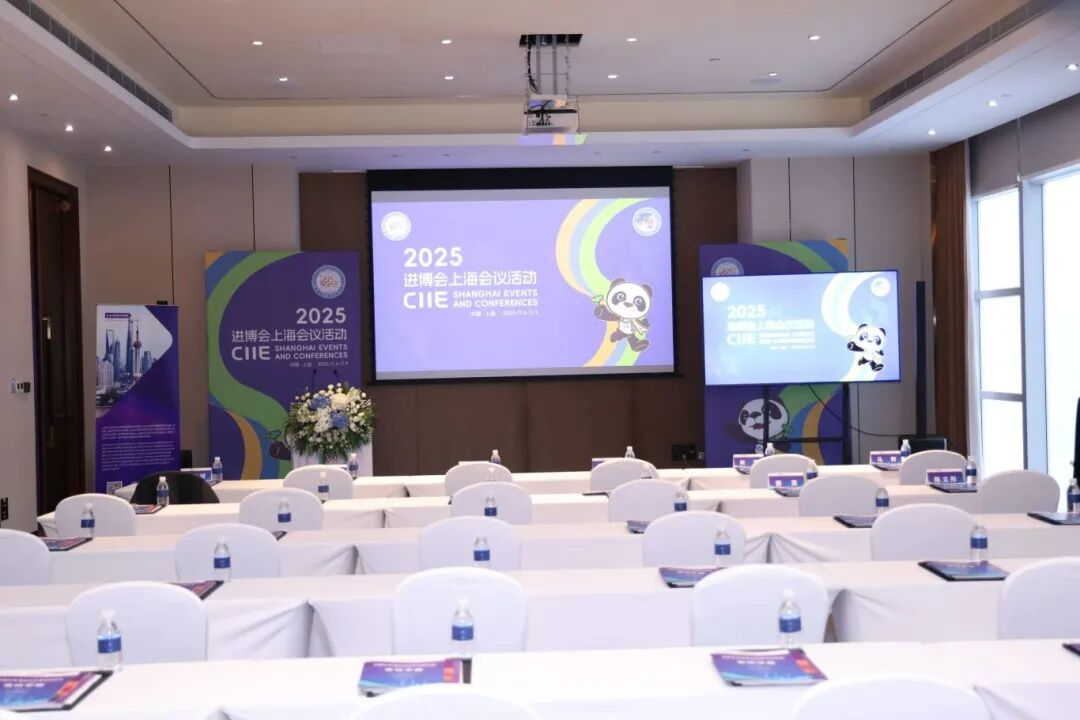
Photo/Site Photo
Forum I:
Chinese Enterprises Going Global - Criminal Compliance and Risk Control
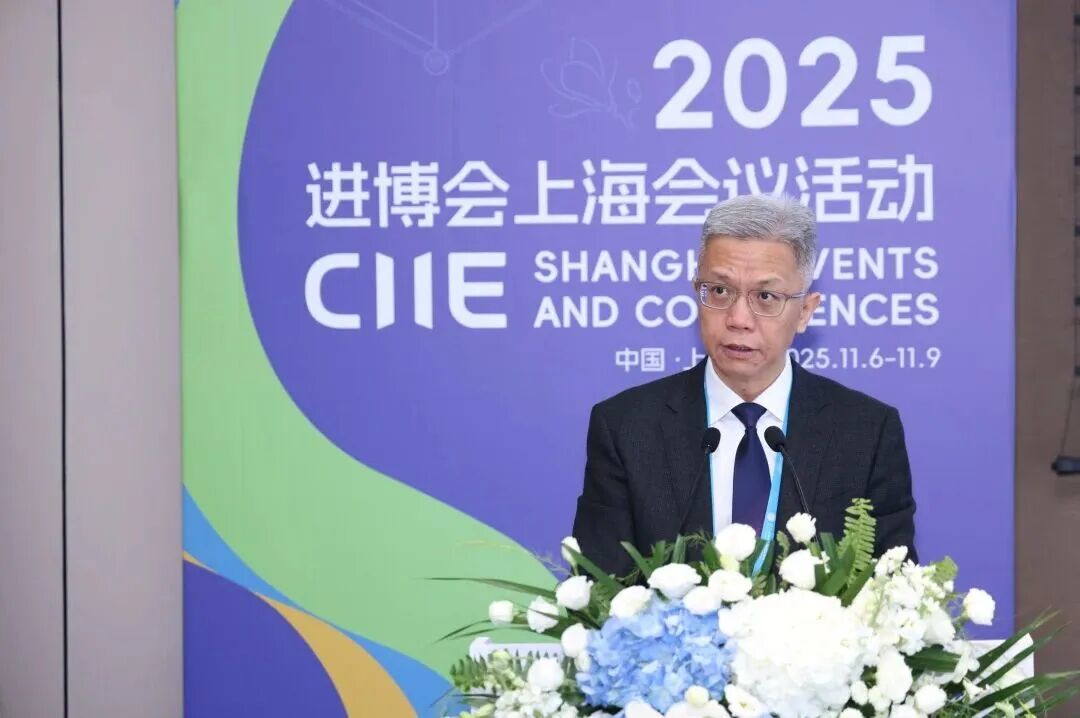
Photo/Chen Jun, Vice Chairman of Board of Dacheng Law Offices and Managing Partner of Dacheng Shanghai
Chen Jun, Vice Chairman of Board of Dacheng Law Offices and Managing Partner of Dacheng Shanghai, delivered the opening remarks, deeply resonating with the global development philosophy of the CIIE: "openness, inclusiveness, universal benefits, balance, and win-win results." In his address, Chen pointed out that Chinese enterprises' global expansion has transitioned from quantitative accumulation to a qualitative leap, becoming a vital force in global industrial and supply chains. However, overseas criminal risks are increasingly characterized by diversification, concealment, and complexity. He noted that Dacheng Law Offices is rooted in China while serving clients globally, with legal services spanning over 80 countries and regions. The firm has established a comprehensive cross-border legal service system, consistently upholding its mission to "safeguard enterprises' cross-border compliance development" and deeply integrating into the national "going global" strategy. Chen further explained that Dacheng Shanghai would collaborate with the Shanghai Pudong Enterprise Going Global Comprehensive Service Center to host the "Chinese Enterprises Investing in the EU - Legal & Regulatory Compliance and Risk Control" forum. The event would focus on Chinese companies' investment in the EU and dissect the latest EU regulatory requirements. Finally, Chen stated that Dacheng will continue to integrate global legal resources and deepen multi-party collaborations. By providing professional services to clear compliance hurdles for Chinese enterprises going global, the firm will put into practice the CIIE's philosophy of openness and win-win results. This can empower more Chinese companies to navigate the globalization trend steadily and achieve high-quality development.
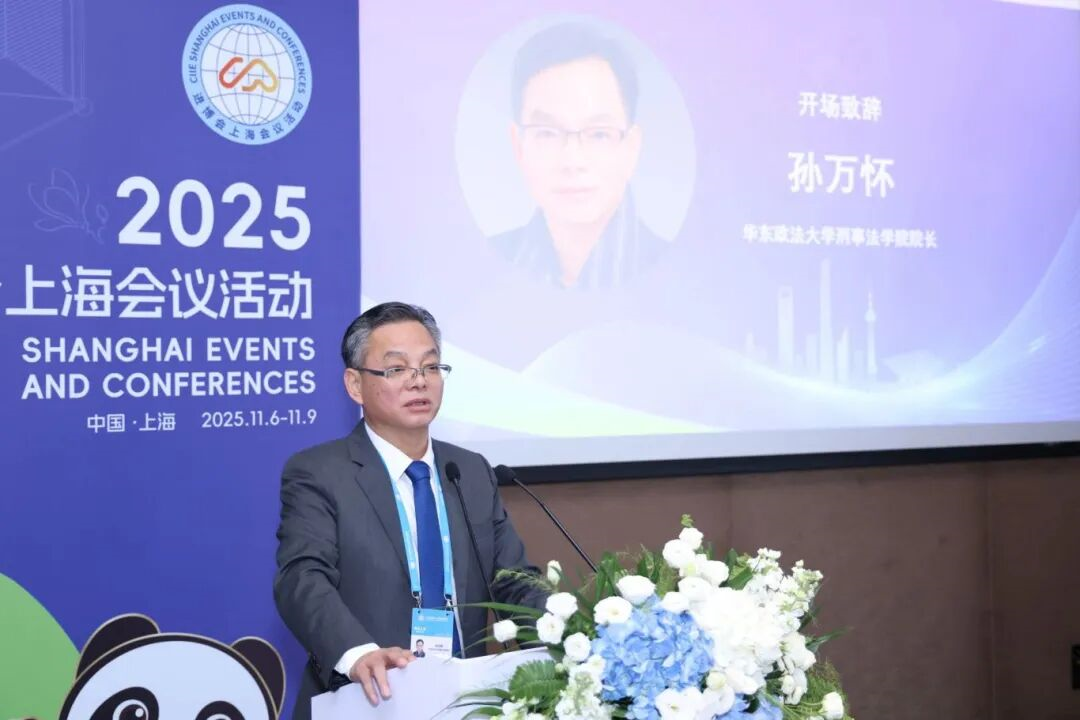
Photo/Sun Wanhuai, Dean of the Criminal Justice College of East China University of Political Science and Law
Sun Wanhuai, Dean of the Criminal Justice College of East China University of Political Science and Law, delivered a speech. He emphasized that the CIIE serves not only as a platform for showcasing goods and technologies but also as a vital vehicle for aligning global rules and integrating legal philosophies. The forum, focusing on cross-border criminal risk prevention and control for Chinese enterprises, not only addresses the practical needs of business operations but also represents a significant practice of legal research serving the nation's opening-up strategy. Sun noted that Chinese enterprises have entered a new phase of compliance competition. Differences in criminal regulations across countries regarding commercial bribery, data security, and other areas pose potential risks to businesses while also raising the era's imperative for global criminal legal empowerment. He explained that the Criminal Justice College of East China University of Political Science and Law has long been deeply engaged in the field of cross-border criminal justice, producing numerous research outcomes that combine theoretical depth with practical value. This forum has established a crucial bridge connecting academic achievements with corporate needs. In the future, the College will continue to deepen its theoretical research on cross-border criminal law, strengthen collaboration with practical institutions and overseas-expanding enterprises, and facilitate the transformation of academic achievements through joint research, case studies, and talent cultivation. These efforts will establish criminal justice as the cornerstone for safeguarding corporate rights and interests.
Photo/Chen Litong, Senior Partner of Dacheng Law Offices
Chen Litong, Senior Partner of Dacheng Law Offices, delivered a presentation titled "Common Criminal Legal Risks Overseas." Drawing on his experience in corporate compliance and legal services, Chen focused on common integrity and compliance risks encountered overseas, systematically interpreting the core principles of compliance and key considerations for cross-border compliance. He proposed that compliance could be interpreted across four dimensions: adherence to legal and regulatory obligations forms the foundation, while encompassing three core layers—management science, system development, and compliance culture. Chen specified that the core of integrity and compliance lies in anti-bribery and anti-fraud measures. The former prevents companies and employees from offering bribes externally, while the latter curbs employee misconduct such as accepting bribes. Regarding the application of laws, he emphasized the practical implementation of relevant provisions in China's criminal law, as well as the jurisdiction and enforcement strength of corresponding foreign laws. Additionally, he mentioned the integrity risk prevention and control requirements of multilateral banks and recommended that enterprises fully implement the development of anti-bribery management systems. Chen used multiple real-world cases to warn enterprises about criminal risks in areas such as cross-border capital flows, commercial bribery, and data security, providing practical guidance for building robust compliance defenses as Chinese companies expand overseas.
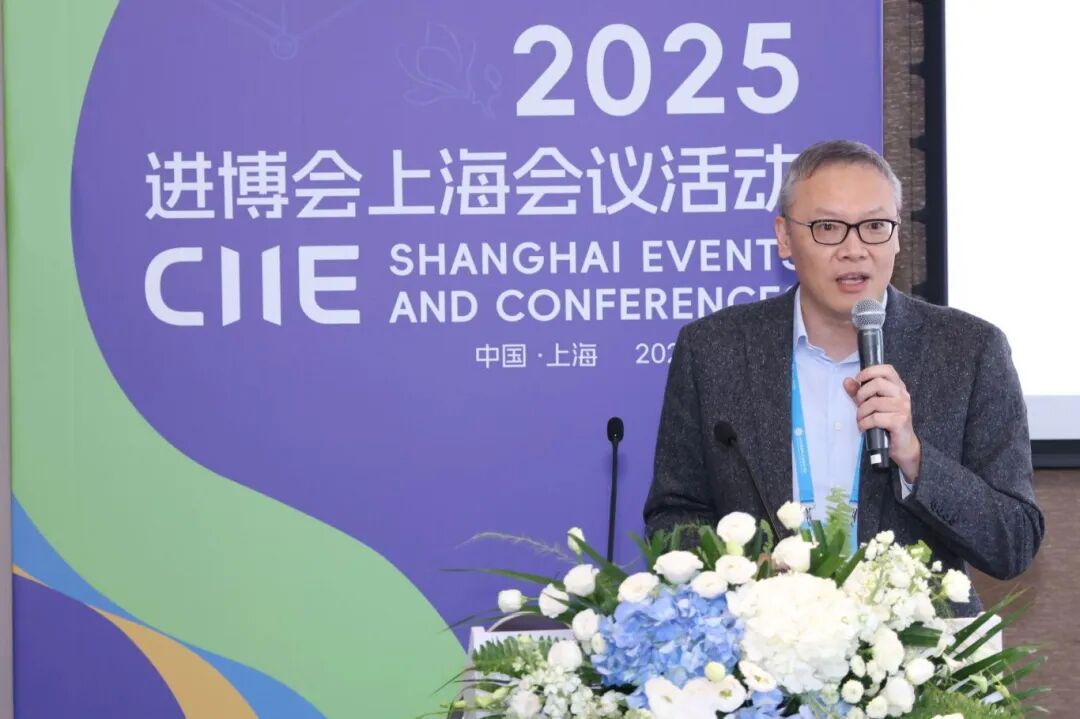
Photo/Chen Yi, Chief Compliance Officer of Schaeffler Greater China
Chen Yi, Chief Compliance Officer of Schaeffler Greater China, delivered a presentation titled "Addressing Overseas Criminal Risks," sharing multidimensional practical methodologies grounded in multinational corporate compliance practices. Mr. Chen pointed out that amid global economic transformation and technological evolution, multinational corporations face overseas risks spanning export compliance, data security, anti-bribery, and ESG compliance. They need to establish a "holistic governance model" to circumvent vulnerabilities arising from single-department oversight. To address this need, he elaborated on the "three lines of defense" risk management framework: business departments handle frontline risk identification and mitigation, while compliance and legal departments establish standards and oversee implementation. Internal audits provide safeguards through independent reviews, forming a closed-loop management system. Regarding compliance implementation, Mr. Chen emphasized the need to accurately assess target market risks, implement end-to-end prevention and control measures, dynamically iterate prevention and control methods, and promote synergy between compliance and ESG initiatives. Moreover, he stressed the importance of balancing global standards with regional regulatory adaptability.
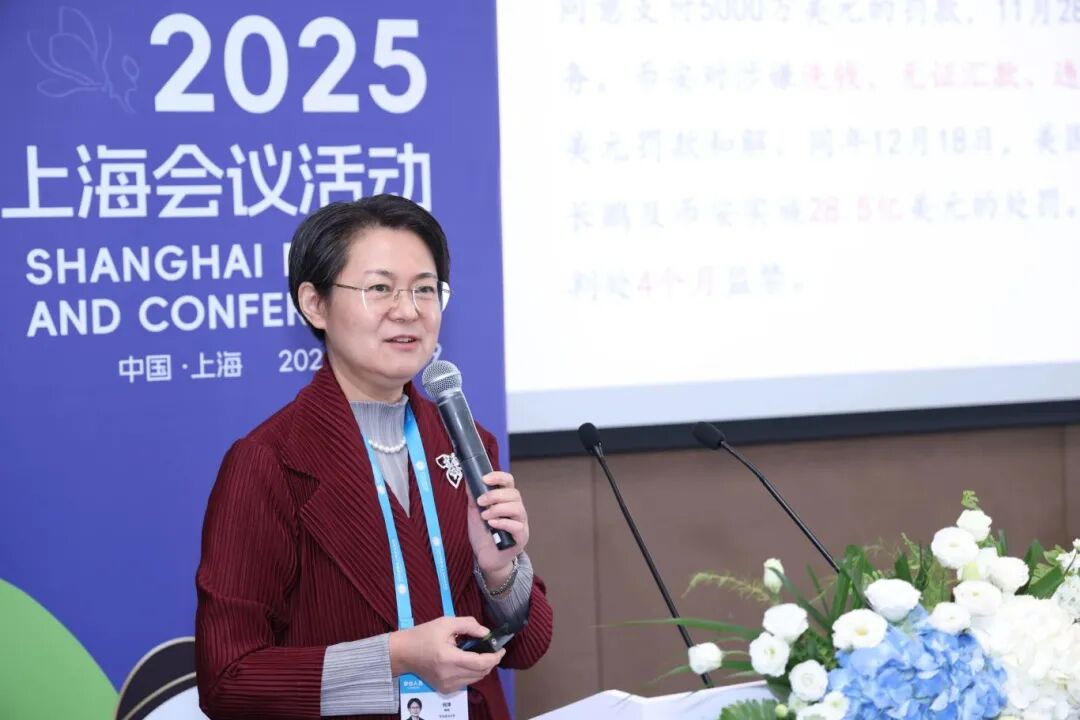
Photo/He Ping, Professor of Criminal Law at the Law School, East China University of Political Science and Law
He Ping, Professor of Criminal Law at the Law School, East China University of Political Science and Law, delivered a presentation titled "Comparison of Strategies for Addressing Criminal Risks of Money Laundering in China and Overseas." Focusing on cross-border money laundering crimes, she analyzed the characteristics of such offenses in the context of globalization, highlighted differences between Chinese and foreign legal frameworks, and outlined key points in judicial and law enforcement practices, drawing on representative case studies. Professor He noted that money laundering crimes are often linked to organized crime, characterized by high concealment, frequent use of virtual assets, and complex cross-border chains. Such activities not only obstruct judicial proceedings and disrupt financial order but may also affect national economic and security interests, requiring heightened vigilance from enterprises. In addition, Professor He conducted a comparative analysis from two dimensions: the elements of the offense and judicial enforcement. She emphasized that the fundamental differences between Chinese and foreign laws stem from distinct legal traditions and governance requirements. Moving forward, while upholding the rule of law as a baseline, we can draw on pragmatic international experiences to balance fairness and efficiency, thereby refining the cross-border money laundering prevention and control system.
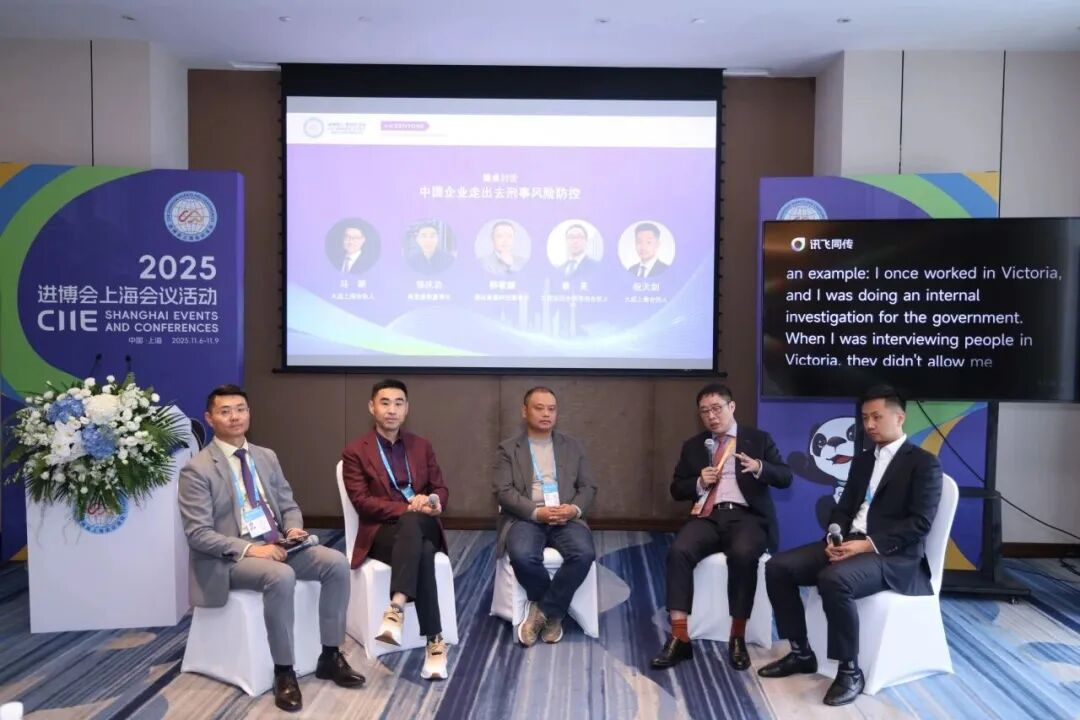
Photo/Roundtable Discussion (from left to right): Ma Lang, Senior Partner of Dacheng Law Offices; Zou Qinggong, Chairman of Golden Clothing (Shanghai) Co., Ltd.; Liu Jingqi, Chairman of Wuxi Boda Energy Technology Co., Ltd.; Cai Min, BDO Forensic Compliance Consulting Partner; Zhu Tianjian, Partner of Dacheng Law Offices (to be filed)
The roundtable discussion topic was "Chinese Enterprises Going Global - Criminal Compliance and Risk Control," moderated by Ma Lang, Senior Partner of Dacheng Law Offices. The guests participating in the roundtable discussion included Zou Qinggong, Chairman of Golden Clothing (Shanghai) Co., Ltd.; Liu Jingqi, Chairman of Wuxi Boda Energy Technology Co., Ltd.; Cai Min, BDO Forensic Compliance Consulting Partner; and Zhu Tianjian, Partner of Dacheng Law Offices (to be filed). They discussed criminal-related issues encountered by Chinese enterprises during their overseas expansion, focusing on two core aspects: the criminal risks and uncertainties enterprises would encounter when expanding overseas, as well as recommendations for risk mitigation. The discussion clearly outlined core challenges such as regional legal disparities, multi-sector compliance pitfalls, and long-arm jurisdiction. It also provided concrete solutions, ranging from the development of internal compliance frameworks to the utilization of external resources. This offered diverse perspectives and practical guidance for Chinese enterprises to fortify their criminal risk defenses and achieve steady globalization.
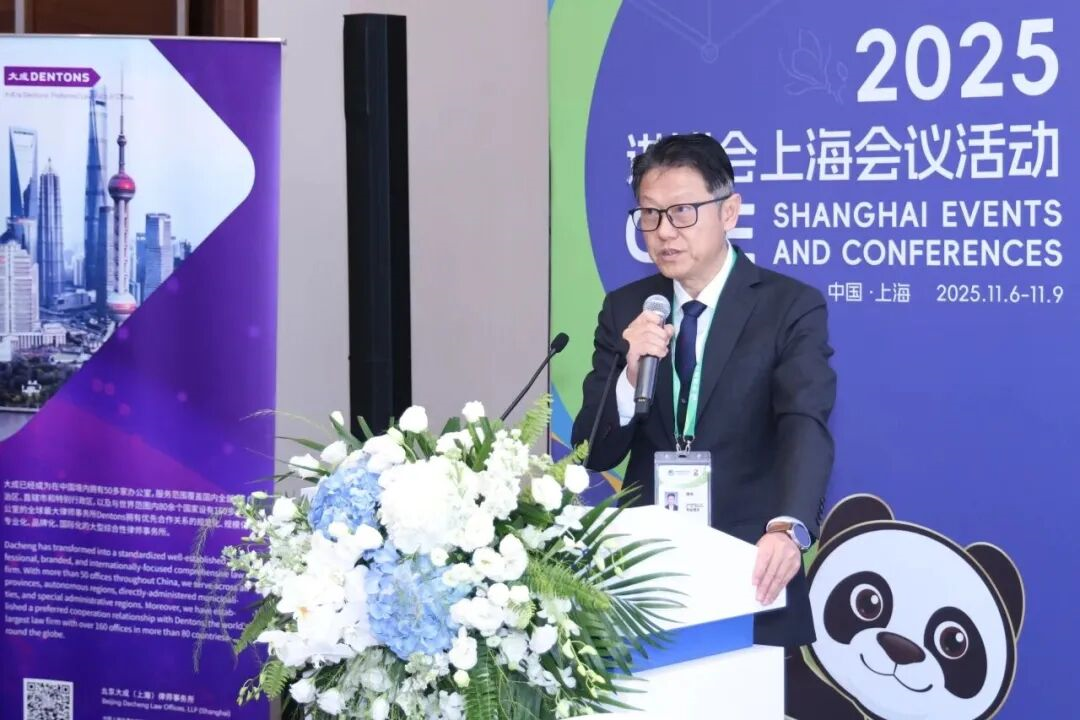
Photo/Gu Wei, Board Member of Dacheng Law Offices and Chairman of Dacheng Shanghai's Supervisory Committee
Gu Wei, Board Member of Dacheng Law Offices and Chairman of Dacheng Shanghai's Supervisory Committee, delivered the concluding remarks, summarizing the forum's key outcomes and previewing upcoming thematic events. Gu stated that the forum focused on the prevention and control of criminal risks in corporate globalization, bringing together diverse professional expertise for in-depth discussion. For enterprises to successfully expand overseas, it is essential to establish a solid foundation for managing criminal risks, while regionally tailored legal risk mitigation strategies are crucial for deepening their presence in overseas markets. On the occasion of the 50th anniversary of the establishment of diplomatic relations between China and the EU, Dacheng Shanghai would collaborate with the Shanghai Pudong Enterprise Going Global Comprehensive Service Center to host the "Chinese Enterprises Investing in the EU - Legal & Regulatory Compliance and Risk Control" forum. This event shall focus on core topics such as the EU's Foreign Direct Investment (FDI) Regulation and trade policies, providing targeted legal guidance for Chinese enterprises investing in Europe.
The first "Chinese Enterprises Going Global - Criminal Compliance and Risk Control" forum concluded here, offering a comprehensive perspective to deconstruct common criminal risks faced by Chinese enterprises during globalization and laying the groundwork for subsequent specialized discussions focused on regional markets. The subsequent "Chinese Enterprises Investing in the EU - Legal & Regulatory Compliance and Risk Control" forum built upon this comprehensive risk analysis framework, offering in-depth insights tailored to the EU as a core investment destination. It formed a professional service loop: "first addressing universal challenges across all regions, and then tackling region-specific obstacles."
Forum II:
Chinese Enterprises Investing in the EU - Legal & Regulatory Compliance and Risk Control
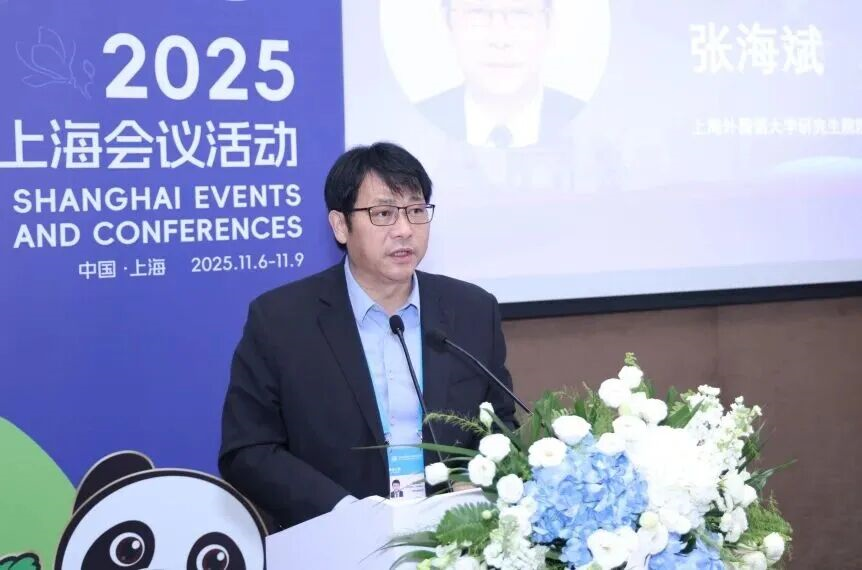
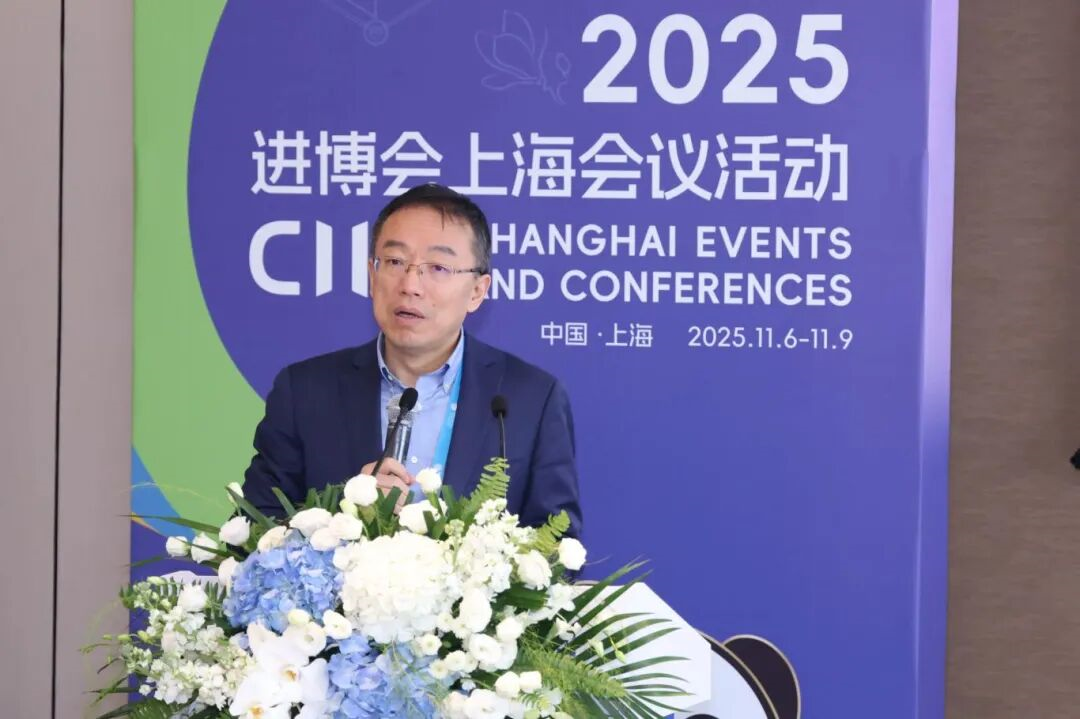
Photo/Professor Zhang Haibin, Dean of the Graduate School and School of Law of Shanghai International Studies University
Zhang Haibin, Dean of the Graduate School and School of Law of Shanghai International Studies University, delivered the opening remarks. He extended sincere gratitude to the event's host, the Shanghai Pudong Enterprise Going Global Comprehensive Service Center, and co-host, Dacheng Law Offices (Shanghai). He also extended a warm welcome to all guests in attendance. Zhang noted that 2025 marked a pivotal juncture for China and the EU to simultaneously lift restrictions on mutual exchanges and launch comprehensive cooperation. The European legal system presents challenges for Chinese enterprises going global, but it also offers an opportunity to learn international rules and enhance global governance capabilities. He emphasized that as a major global economy, the EU has consistently been one of the key regions for Chinese enterprises to expand overseas through investment. However, opportunities and risks always coexist. Fully recognizing risks and establishing a systematic, professional legal risk prevention and control system has become the lifeline for Chinese enterprises to achieve steady and long-term success in their investments within the EU. He also pointed out that the School of Law of Shanghai International Studies University has consistently shouldered the mission of the times: to cultivate high-caliber foreign-related legal professionals with both moral integrity and legal expertise, capable of assuming great responsibilities. The goal is to equip students to become pillars of strength who can safeguard national interests and corporate rights on the international stage. Finally, Zhang expressed his hope that today's discussion would offer insights for enterprises to overcome challenges in their international expansion efforts, while also providing valuable case studies for legal scholars researching international economic law.
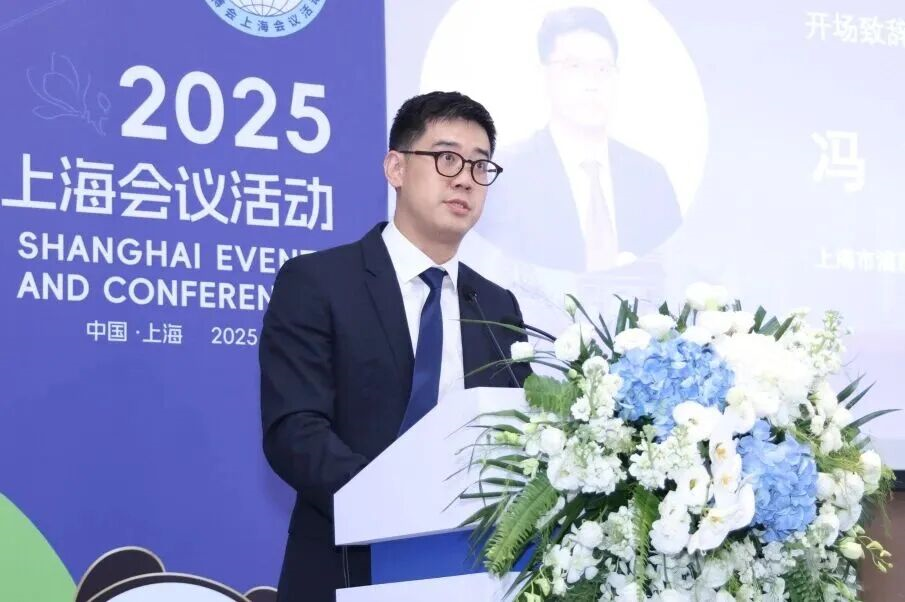
Photo/Feng Ji, Secretary-General of Shanghai Pudong Enterprise Going Global Comprehensive Service Center
Feng Ji, Secretary-General of Shanghai Pudong Enterprise Going Global Comprehensive Service Center, extended a warm welcome to the guests attending the event. Feng stated that "New Era, Shared Future" could embody the theme of this CIIE. New products, technologies, and services from around the world have entered the Chinese market through this platform, facilitating the transformation of products into commodities and exhibitors into investors. Meanwhile, the CIIE has also facilitated the deep integration of China's industrial chains with advanced resources such as global capital and technology. It is precisely such openness and integration that have reshaped the core competitiveness of Chinese enterprises and fueled the current surging trend of companies "going global." However, as the international geopolitical landscape continues to evolve, Chinese enterprises investing in Europe have encountered various challenges, such as increasingly stringent compliance requirements for European investments and complex operational hurdles related to localization. The Shanghai Pudong Enterprise Going Global Comprehensive Service Center, as a private non-enterprise organization dedicated to supporting enterprises in expanding overseas, leverages "two-way empowerment" to build a multifunctional hub for global-oriented businesses. It assists Chinese enterprises in broadening their global horizons. The Center has also introduced a series of policies to leverage its institutional strengths, deepen strategic collaboration with professional service providers, and deliver a comprehensive suite of integrated solutions. Finally, Secretary-General Feng pointed out that while challenges and opportunities coexist for enterprises going global, we should face the uncertainties of today's world with the certainty of close cooperation.

Photo/Emmanuel Meril, Counsel of Dacheng Law Offices
Emmanuel Meril, Counsel of Dacheng Law Offices, delivered a presentation titled "Analysis of the EU's FDI Regulation and Investment Strategies for Chinese Enterprises." He noted that the EU, with over EUR 7 trillion in foreign direct investment stock and a consumer market of 450 million people, presents significant strategic opportunities for Chinese enterprises in their areas of strength, such as renewable energy, semiconductors, and electric vehicles. Particularly promising are the prospects for localizing production and fostering R&D collaboration. EU regulations guarantee freedom and equal treatment for Chinese enterprises regarding business establishment and capital flows, but involve review mechanisms in sensitive sectors such as defense and critical infrastructure, with countries like France and Germany enforcing these particularly rigorously. Although the finalization and approval process of the EU-China Comprehensive Agreement on Investment (CAI) has been hindered by geopolitical factors, the mutually beneficial cooperation framework it represents still holds tremendous potential. Emmanuel Meril recommended that Chinese investors actively seize opportunities in the EU market while maintaining a focus on the favorable conditions offered by emerging regions such as Central and Eastern Europe. He also cautioned that many EU countries conduct due diligence on the ultimate beneficiaries of investments. Therefore, establishing an investment entity in a sensitive industry within one Eastern European country does not guarantee exemption from subsequent screening when investing in another EU member state.
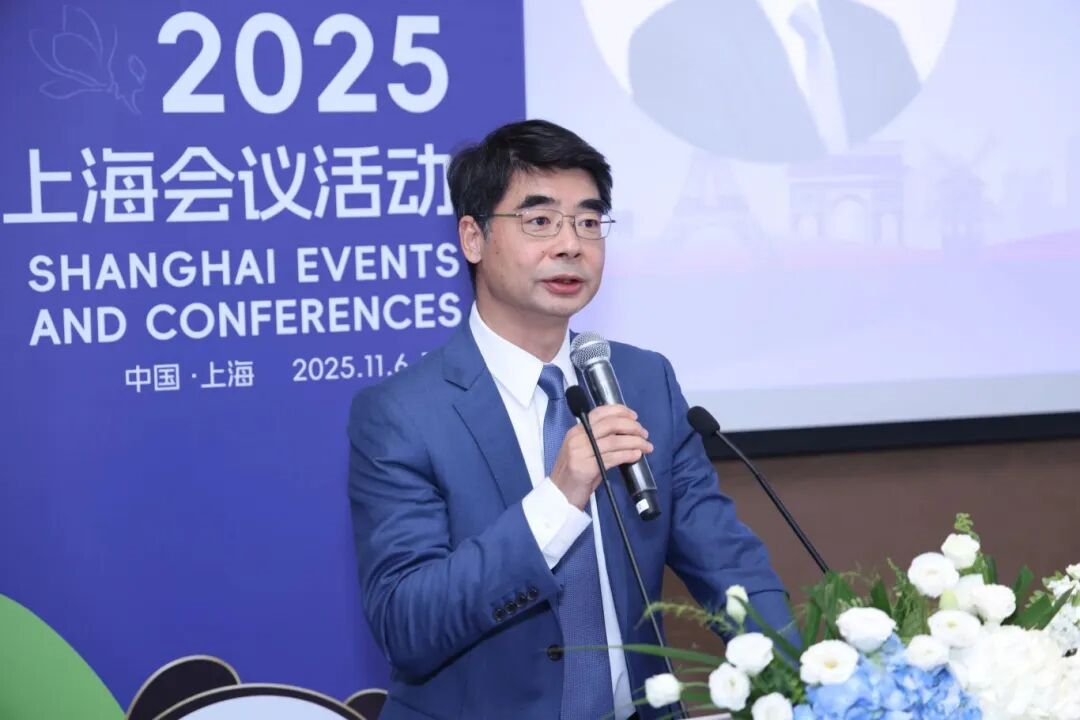
Photo/Ni Jianlin, Senior Partner of Dacheng Law Offices
Ni Jianlin, Senior Partner of Dacheng Law Offices, delivered a presentation titled "Challenges and Responses to New Energy Investments amid Shifts in EU Trade Policies." First, Ni introduced several key regulatory frameworks implemented by the EU to facilitate green transition and fair competition. He listed the EU's Carbon Border Adjustment Mechanism (CBAM), European Green Deal, the EU's new Batteries Regulation, the EU's Corporate Sustainability Reporting Directive/Corporate Sustainability Due Diligence Directive (CSRD, CSDDD), and the EU's Foreign Subsidies Regulation (FSR). Additionally, he elaborated on how these policies impose comprehensive, multidimensional oversight across every segment of the new energy industry chain. Subsequently, Ni drew on massive documented FSR investigation cases to vividly illustrate that FSR has become an immediate and severe challenge for Chinese enterprises entering the EU market. Based on this, he provided practical recommendations for addressing the FSR. Next, Ni demonstrated the EU's "high dependency risk" data regarding China in net-zero technology sectors, revealing the urgency and data foundation underpinning the EU's supply chain "de-risking" strategy. This analysis pinpointed the underlying drivers behind its series of policy shifts. Finally, Ni emphasized that supply chain restructuring is the core strategy for addressing current challenges. It is necessary to pursue sustainable development within the EU's new trade policy environment through strategic restructuring of the global supply chain.
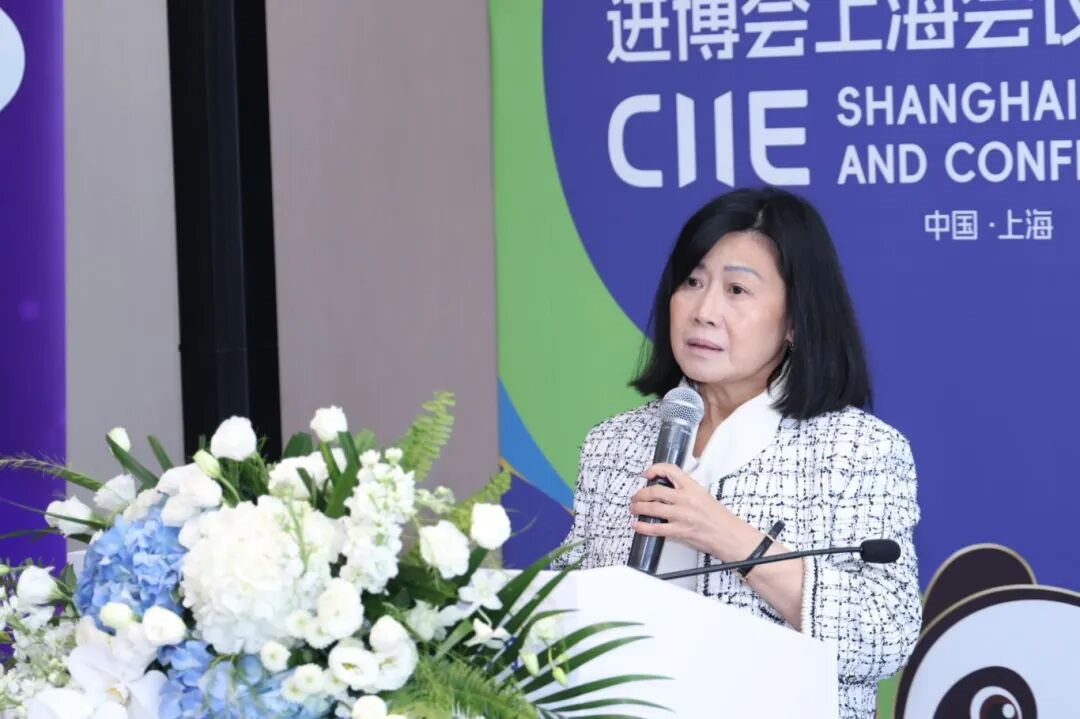
Photo/Liu Yujuan, Managing Partner of Forvis Mazars in the Chinese Mainland
Liu Yujuan, Managing Partner of Forvis Mazars in the Chinese Mainland, delivered a presentation titled "Opportunities and Challenges in Investing in Key European Industries: Insights from a Financial and Tax Perspective." First, Ms. Liu began with the semiconductor industry to provide a detailed analysis of the background and objectives of the European Chips Act. She pointed out that this presents two major opportunities for Chinese companies: First, they can leverage their manufacturing capabilities and cost advantages in packaging and testing, materials, and equipment supply to participate in Europe's manufacturing ecosystem. Second, they may enter high-growth niche markets such as automotive chips and industrial chips through technological cooperation and M&A. However, enterprises also face challenges in meeting policy compliance requirements. In response to these challenges, Ms. Liu proposed systematic countermeasures from a financial and tax perspective. Subsequently, Ms. Liu shared insights on the electric vehicle and battery sectors, focusing on the balance between investment and compliance in the green transition. She outlined the latest policy developments, including the Batteries Regulation and the ban on the sale of new petrol and diesel cars. She noted that localized production, supply chain development, and green investment support present opportunities for Chinese enterprises, but they also face challenges such as policy compliance requirements, intense market competition, and increased uncertainty in the investment environment. Next, Ms. Liu introduced the requirements for sustainability reporting and, based on this, proposed a comprehensive response strategy. Finally, Ms. Liu emphasized that the European market is characterized by "high standards, high transparency, and high returns." For well-prepared Chinese enterprises, high standards offer greater certainty and clarity. Chinese companies should establish their tax structure design, compliance strategies, and local relationship management, while engaging international, experienced intermediaries to ensure smooth market entry and steady growth.
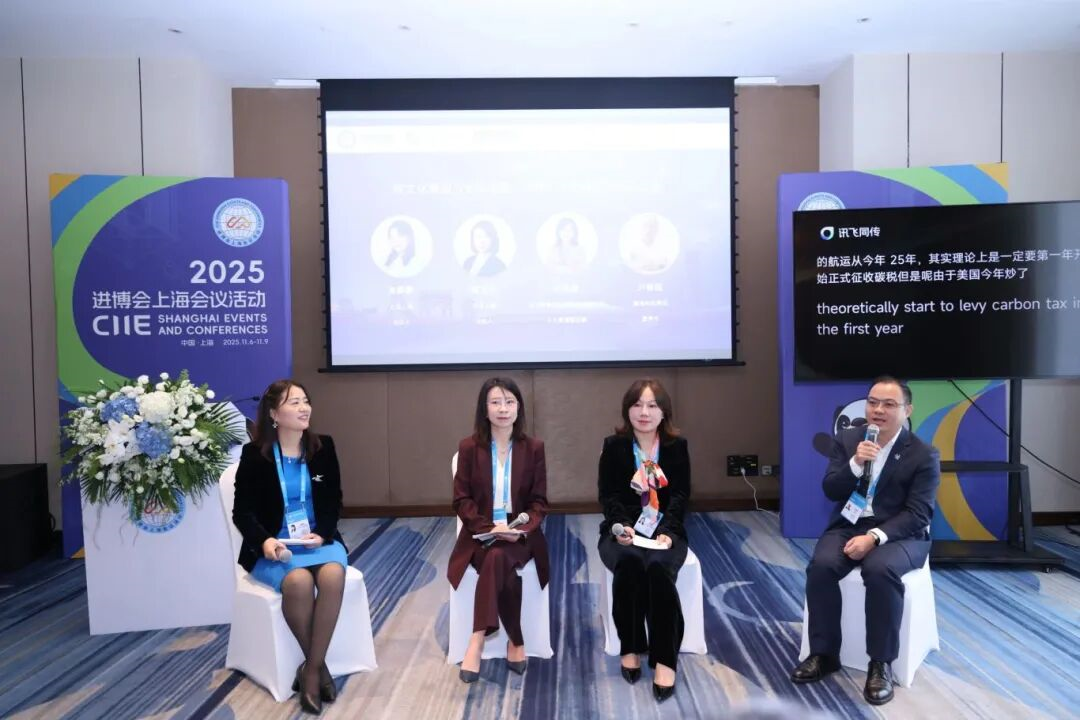
Photo/Roundtable Discussion (from left to right): Wu Jingjing, Senior Partner of Dacheng Law Offices; Guo Yulan, Partner of Dacheng Law Offices; Bai Lirong, Vice President of Human Resources of YQN Logistics Co., Ltd.; Yin Xiumeng, Chairman of WinSea Technology Group
The roundtable discussion, titled "Cross-Cultural Management and Compliance Operations: The Path to Success for Chinese Enterprises in the EU," was moderated by Wu Jingjing, Senior Partner of Dacheng Law Offices. The guests participating in this roundtable discussion included Guo Yulan, Partner of Dacheng Law Offices; Bai Lirong, Vice President of Human Resources of YQN Logistics Co., Ltd.; and Yin Xiumeng, Chairman of WinSea Technology Group. Wu cited case studies to introduce the core proposition of successful strategies for Chinese enterprises expanding into the EU market. The guests dissected the underlying logic of the EU regulatory framework, emphasizing that compliance is "building institutional trust" and that companies should shift their mindset from "passive compliance" to "active governance." They also shared practical experience in embedding strategies within organizations, particularly in using mechanisms to balance cultural differences. The guests also mentioned that in response to green transition regulations, companies need to undergo fundamental transformations in organizational capabilities and decision-making mechanisms. Subsequently, the guests focused on "Compliance as a Front-End Priority and Top-Level Design." They unanimously agreed that compliance should be a systematic initiative led by top management and integrated into strategy from the outset. They provided in-depth elaboration from various perspectives, including managerial responsibilities, early involvement of HR systems, and transformation of compliance into a competitive advantage. Finally, the guests emphasized the soft power of building trust through a keen understanding of cultural systems and the hard skill of accurately managing compliance rules to build sustainable competitiveness.
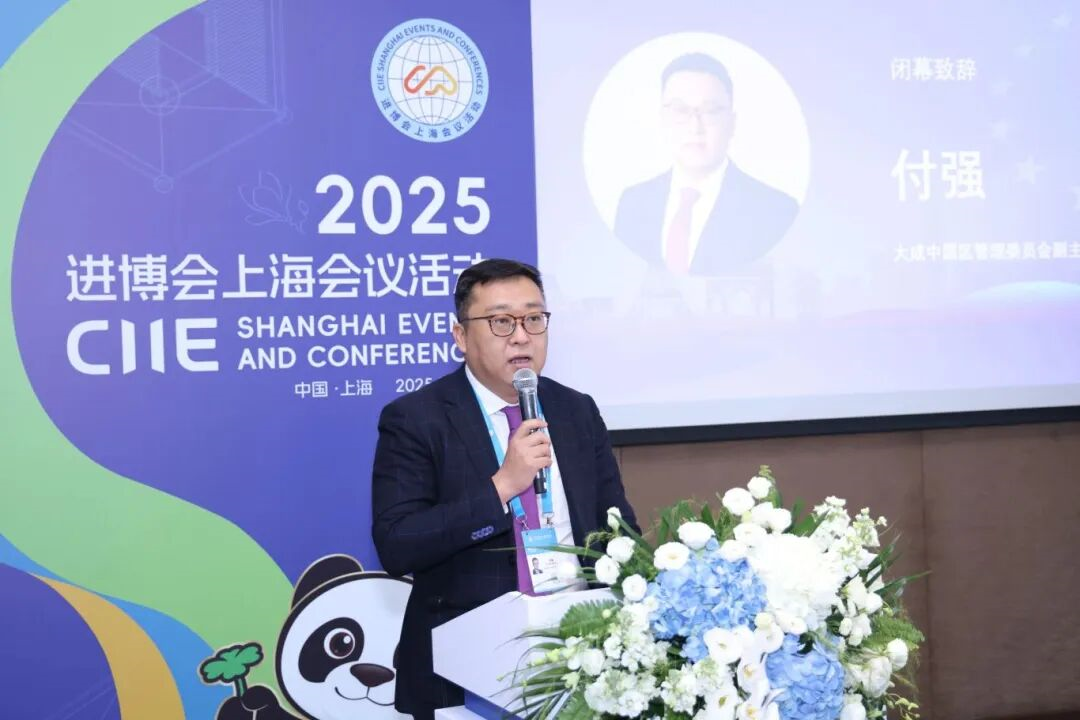
Photo/Fu Qiang, Board Member of Dacheng, Deputy CEO of Dacheng's Management Committee, and Chief Executive of Dacheng Shanghai
Fu Qiang, Board Member of Dacheng, Deputy CEO of Dacheng's Management Committee, and Chief Executive of Dacheng Shanghai, delivered the closing remarks. Fu extended the most sincere gratitude to the guests attending this event, as well as to the Shanghai Pudong Enterprise Going Global Comprehensive Service Center, Pudong New Area Federation of Returned Overseas Chinese, School of Law of Shanghai International Studies University, and Criminal Justice College of East China University of Political Science and Law for their robust support. He noted that today's two thematic forums—"Chinese Enterprises Investing in the EU - Legal & Regulatory Compliance and Risk Control" and "Chinese Enterprises Going Global - Criminal Compliance and Risk Control"—painted a panoramic picture of the challenges currently facing Chinese enterprises going global. Fu pointed out that the simultaneous lifting of restrictions on mutual exchanges by both China and the EU has opened up new avenues for deepening cooperation between enterprises of the two sides. How to operate in compliance and mitigate risks is the core challenge facing Chinese enterprises investing in the EU. As China-EU economic and trade relations advance, investment in the EU is no longer merely a simple capital outflow, but rather a profound understanding of the local legal framework, business culture, and regulatory intent. He emphasized the core message of this event: "Enterprises going global shall prioritize criminal compliance." Establishing an effective criminal compliance system that spans the entire business process is no longer an "optional extra" but rather a "mandatory requirement" and "safety valve" for corporate internationalization. The investment risks in the EU and global criminal risks are intertwined and complex. Dacheng Shanghai will continue to deepen its professional research and expand its service scope, striving to become the most trusted "global expansion partner" for Chinese enterprises. Finally, Fu once again expressed his gratitude to all the guests for their attendance and looked forward to more extensive and in-depth cooperation and exchanges in the future.
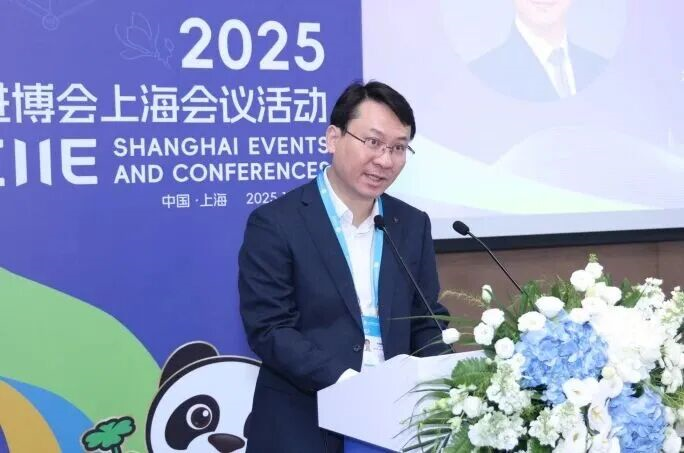
Photo/"Chinese Enterprises Going Global - Criminal Compliance and Risk Control" Forum Moderated by Zhu Haibin, Senior Partner of Dacheng Law Offices
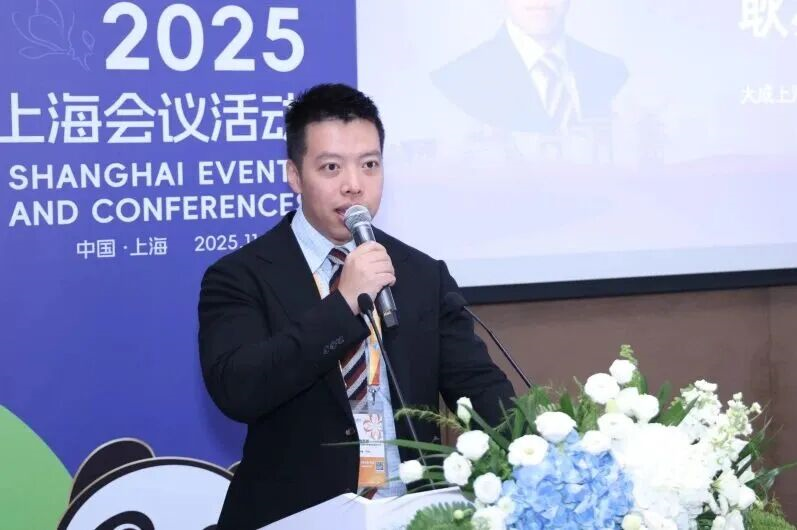
Photo/"Chinese Enterprises Investing in the EU - Legal & Regulatory Compliance and Risk Control" Forum Moderated by Geng Yicheng, Partner of Dacheng Law Offices
The "Chinese Enterprises Going Global - Criminal Compliance and Risk Control" forum was moderated by Zhu Haibin, Senior Partner of Dacheng Law Offices. The "Chinese Enterprises Investing in the EU - Legal & Regulatory Compliance and Risk Control" forum was moderated by Geng Yicheng, Partner of Dacheng Law Offices.
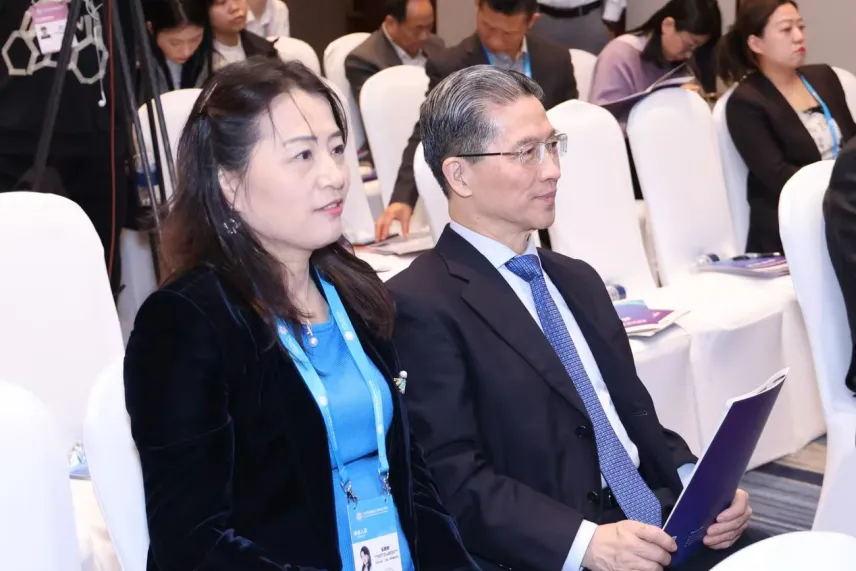
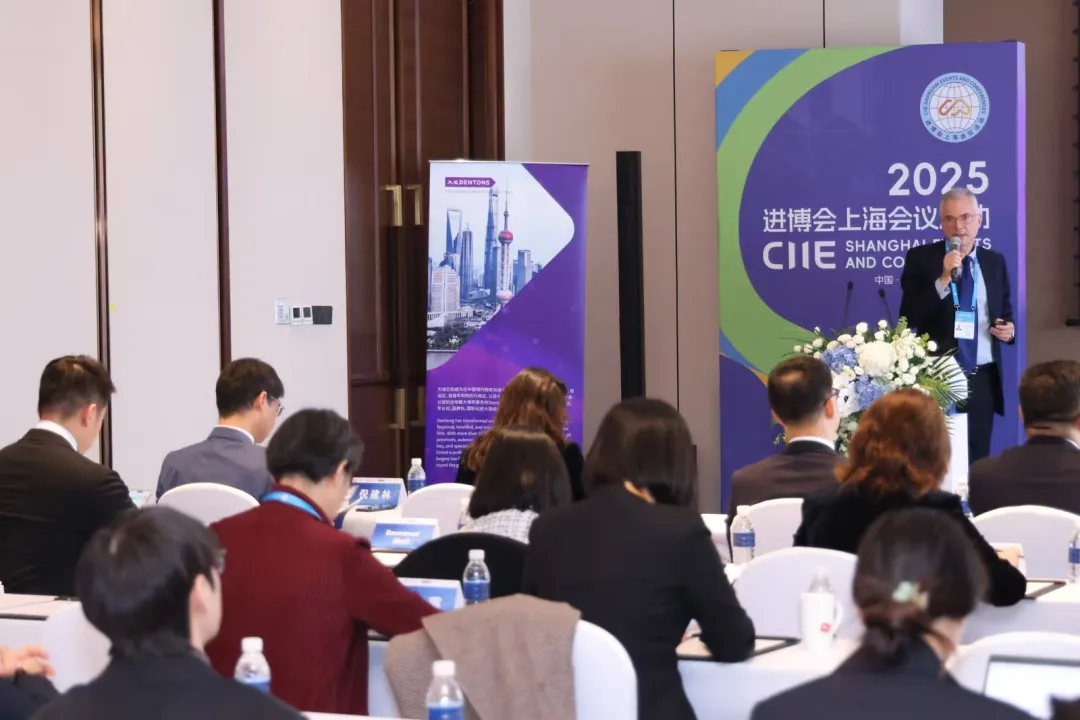
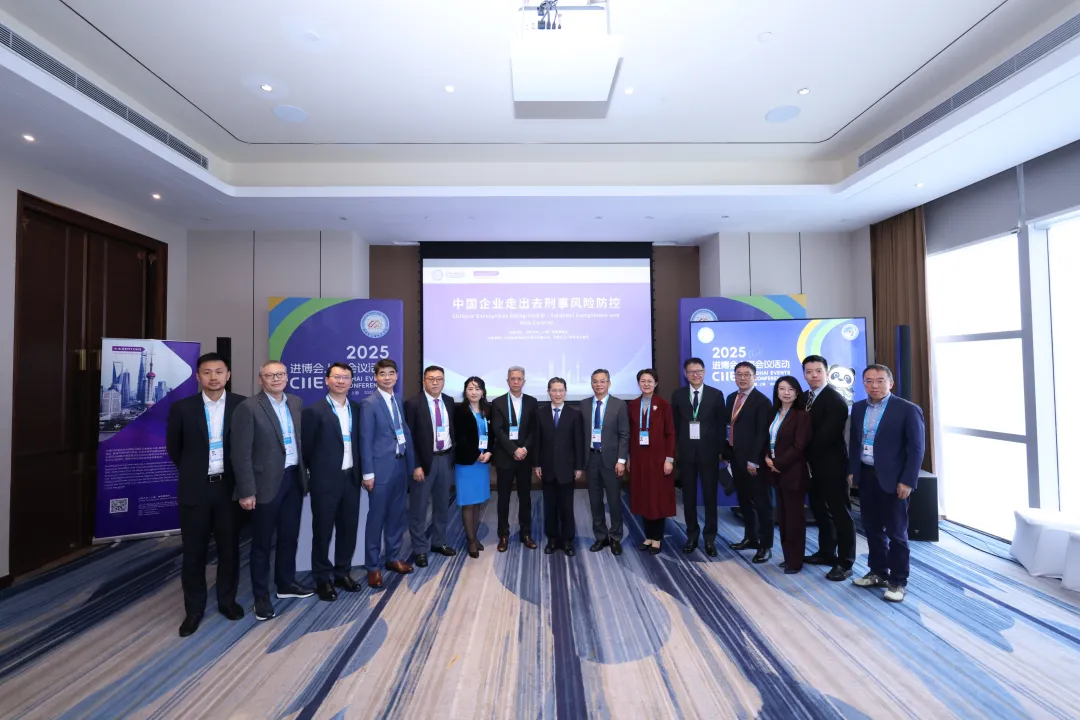
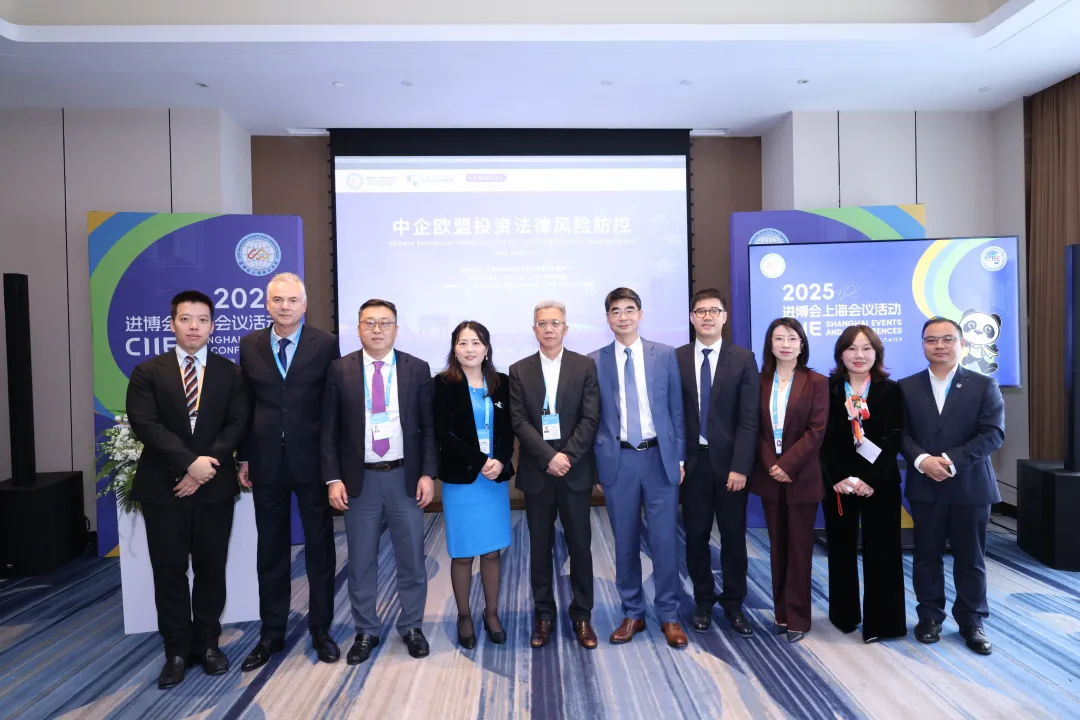
Photo/Site Photo
The "Chinese Enterprises Going Global - Criminal Compliance and Risk Control" forum delivered professional insights spanning from the establishment of compliance frameworks to practical risk response strategies, and from the analysis of cross-border legal differences to regional-specific risk alerts. The "Chinese Enterprises Investing in the EU - Legal & Regulatory Compliance and Risk Control" forum not only provided an accurate analysis of the EU's latest regulatory developments in trade, environmental protection, subsidy reviews, and criminal compliance, but also offered forward-looking, systematic risk prevention strategies and practical solutions for Chinese enterprises across multiple dimensions including legal, financial, tax, and operational aspects. Amid the dual currents of globalization and compliance competition, such cross-sector exchanges and knowledge sharing not only solidify the industry consensus that "compliance safeguards development" but also demonstrate China's steadfast commitment to advancing high-standard opening-up and empowering enterprises to "go global" with steady progress. In the future, Dacheng Shanghai will continue to broaden and deepen its cross-border services, striving to become the most trusted strategic partner for enterprises regarding globalization. Additionally, more professional resources and practical experience will empower Chinese enterprises, enabling them to boldly explore and experiment while maintaining steady progress in global market competition. By adhering to compliance standards, they will usher in a new phase in their global development.
What can we do for you ?
Contact Us +
Copyright ©2026 DACHENG | All Rights Reserved

